
Raw Card Condition and Professional Grades
Learn why marketplace condition descriptions and professional numerical grades should be compared separately.
Keep the two descriptions separate
A raw card is a card that has not been assigned a professional grade in a grading holder. A marketplace condition description and a professional numerical grade describe different assessments; do not translate one automatically into the other.
TCGplayer lists raw cards under Near Mint, Lightly Played, Moderately Played, Heavily Played and Damaged. Its published condition guidance explains the imperfections considered for those categories. A seller’s condition label should be checked against photographs and that marketplace’s standards.
Look at both sides of the card
Before comparing a physical card with a raw reference, inspect its front, back, edges and corners under clear lighting. Record visible marks in your own notes. Photos should show the actual card rather than only a catalog image.
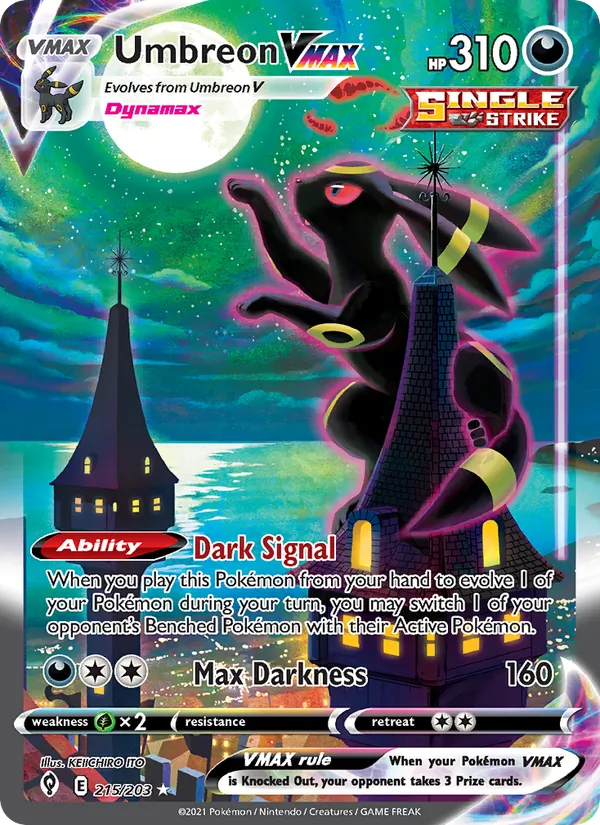
Treat a price guide’s card image as help with identification. It cannot show the wear on your copy. If you are buying, ask for clear images of the particular card and read the listing’s condition description.
A numerical grade is a separate record
PSA publishes its own grading standards on a numerical scale. Its standards discuss factors such as surface, corners and centering. A raw card described as Near Mint is not automatically a PSA 9 or PSA 10.
When comparing graded cards, match the grading company, numerical grade and exact printing. Card Atlas’s current marketplace tiles are labeled Raw / ungraded. They should not be interpreted as prices for a PSA, BGS or CGC holder.
If you decide to use a grading service, read that company’s current standards and submission instructions directly. This guide does not predict a grade from a photograph.
Sources and further reading
Check raw marketplace references