How to Read Marketplace Price References
Understand the source, variant, currency and date behind a card price, and what recorded history actually shows.
Read the label alongside the price
Card Atlas labels each available quote with its marketplace, variant, original currency and source update date. Those details belong together. A holofoil reference in USD and a market trend in EUR are separate observations; neither is a currency conversion of the other.
TCGplayer explains that Market Price is derived from transactions on its marketplace. It differs from an individual seller’s asking price. Card Atlas currently receives TCGplayer market references and Cardmarket trend references through TCGdex, rather than displaying its own completed sales.
A reference is a starting point
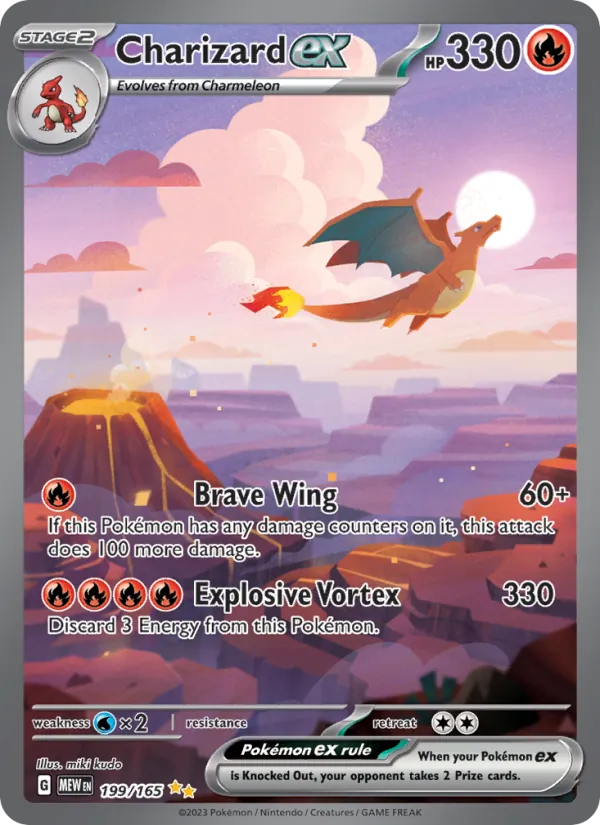
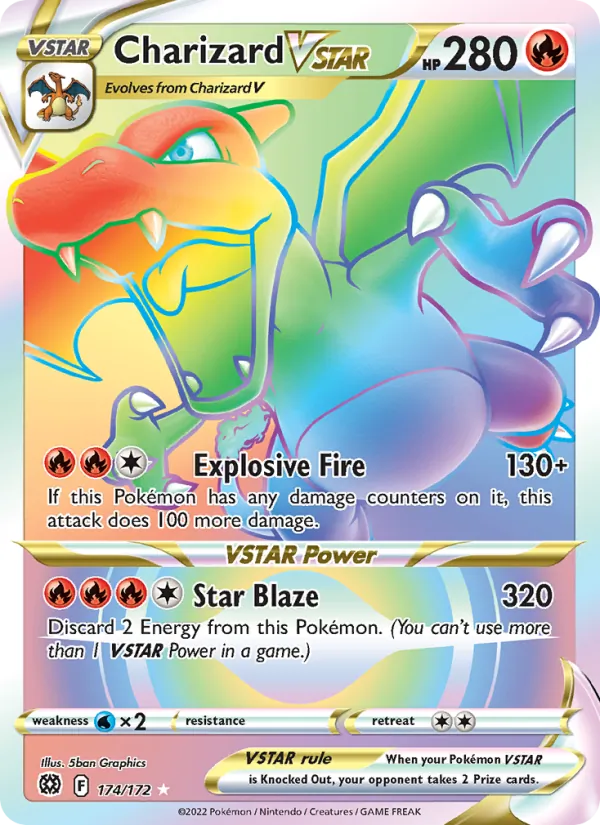
Identify the exact card before comparing quotes. Condition and printing matter, and a reference shown on a detail page is not an offer to buy your particular copy. Check the condition and variant of any listing you compare with it.
If no source quote is available, Card Atlas says so. It does not replace missing data with zero dollars or an estimated price. When a source request fails, a cached reference may be shown with its source date.
Use recorded history carefully
The history section saves observations as the site refreshes card prices. Its dates are the source’s update dates. It does not recreate sales or price movements from before tracking started.
Choose a marketplace, period and chart series. A series keeps the marketplace, variant and currency together, so the chart does not mix USD with EUR. One observation produces a point; more observations are needed for a line.
Download shown CSV exports the filtered observations visible in the table. It is useful for reviewing the records behind the chart. The export is not an appraisal or a forecast.